






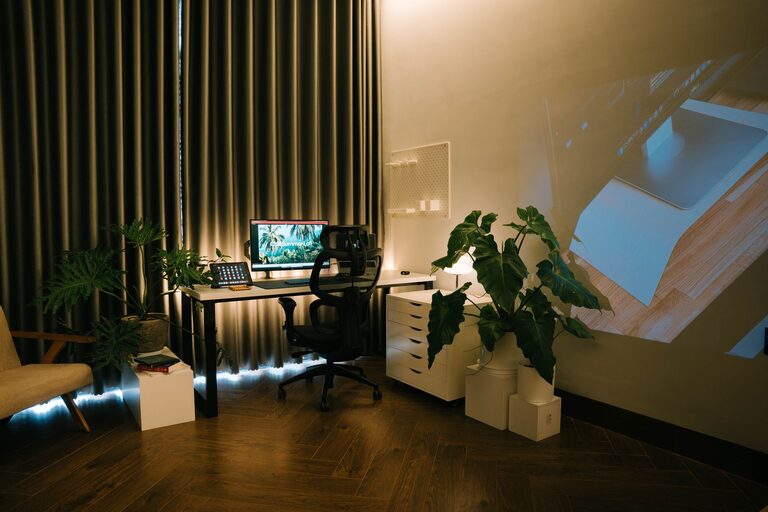


Choosing the right desk chair is an essential step toward creating a comfortable and productive workspace. Whether you work from home or spend long hours at an office desk, a well-designed chair can help reduce discomfort, improve posture, and boost focus. In this post, we’ll explore practical tips to help you select a comfortable desk chair that fits your needs.
Why Comfort Matters in a Desk Chair
Spending hours sitting can lead to stiffness, back pain, or fatigue if your chair doesn’t support your body properly. A comfortable chair helps:
– Maintain good posture
– Reduce pressure on your spine
– Support natural body movements
– Improve concentration and productivity
Investing time in choosing the right chair is worth it for your overall health and work experience.
Key Features to Look for in a Comfortable Desk Chair
1. Adjustable Seat Height
Everyone’s body is different, which means the ideal seat height varies. Look for a chair with an adjustable height feature, so your feet rest flat on the floor and your knees form a right angle. This position helps reduce strain on your legs and lower back.
2. Lumbar Support
Good lower back (lumbar) support is crucial to prevent slouching and back pain. Chairs with built-in adjustable lumbar support let you customize the fit to the curve of your spine, offering better comfort during long sitting sessions.
3. Seat Depth and Width
The seat should be wide and deep enough to support you comfortably without restricting movement. Ideally, there should be a small gap (about 2-4 inches) between the back of your knees and the seat edge to improve circulation.
4. Recline and Tilt Functions
A chair that allows reclining or tilting can reduce pressure on your spine and encourage movement. Some chairs lock in multiple positions, enabling you to change your posture throughout the day.
5. Armrests
Armrests support your arms and shoulders, which can reduce tension. Adjustable armrests that move in height, width, and angle help you find the most comfortable position that keeps your wrists and elbows relaxed.
6. Material and Padding
Look for a chair with breathable fabric or mesh to prevent heat buildup. Sufficient padding ensures comfort, but avoid overly soft seats that might lack support. Mesh chairs often offer good ventilation and durability.
Additional Considerations
Mobility and Base
Swivel chairs with smooth-rolling casters allow easy movement around your workspace without straining. A stable base, typically with five legs, offers better balance and safety.
Weight Capacity
Check the chair’s weight limit to ensure durability and safe support over time.
Style and Aesthetic
While comfort is key, the chair should match your workspace style. Many ergonomic chairs come in various colors and designs to fit different environments.
Tips for Testing a Desk Chair Before Buying
If possible, try the chair in person:
– Sit for at least 10-15 minutes to assess comfort.
– Adjust all features including height, armrests, and recline.
– Check if you can maintain a natural posture.
– Notice any pressure points or discomfort.
If purchasing online, read customer reviews and look for return policies to ensure satisfaction.
Caring for Your Desk Chair
Proper maintenance extends the life of your chair:
– Clean fabric or mesh regularly according to the manufacturer’s instructions.
– Tighten screws and bolts periodically.
– Lubricate moving parts if needed.
Conclusion
Choosing a comfortable desk chair can transform your workday by supporting your body and reducing discomfort. Focus on adjustable features, proper support, and breathable materials. Taking time to find the right chair ultimately protects your health and boosts productivity. Happy sitting!