





Planning meals from pantry staples is a smart way to save time, reduce grocery runs, and create satisfying dishes without stress. Your pantry is a treasure trove of ingredients that, when combined thoughtfully, can yield diverse and delicious meals. Whether you’re trying to stretch your grocery budget, minimize food waste, or simply whip up something quickly, mastering meals from pantry basics is a valuable skill.
In this post, we’ll guide you through how to assess your pantry, plan meals creatively, and keep your kitchen stocked for success.
Why Use Pantry Staples for Meal Planning?
Using pantry staples to plan meals offers many benefits:
– Convenience: You can prepare meals anytime without last-minute shopping.
– Cost savings: Pantry staples are often budget-friendly and last longer.
– Less waste: Using what you already have helps reduce spoilage.
– Flexibility: Staples like rice, canned beans, and pasta can be the base for endless dishes.
– Emergency readiness: You’ll be prepared if you can’t get to the store.
Step 1: Take Inventory of Your Pantry
Before planning meals, start with a clear picture of what’s in your pantry.
How to do it:
– Empty your pantry shelves or take photos if preferred.
– Group items by category: grains, canned goods, spices, baking supplies, etc.
– Check expiry dates and discard anything expired.
– Make a list of usable ingredients.
Knowing your inventory helps you avoid buying duplicates and sparks ideas for meals.
Step 2: Identify Your Pantry Staples
Some ingredients are versatile essentials that form the foundation of many meals. Common pantry staples include:
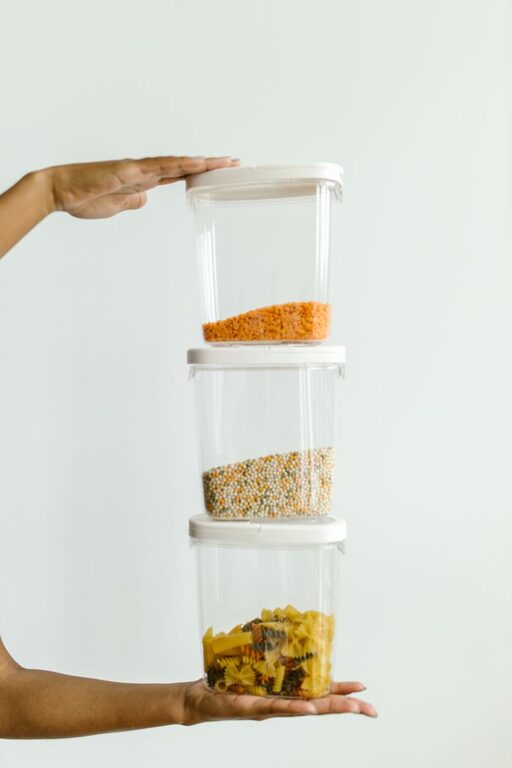
– Grains: rice, pasta, quinoa, oats, couscous
– Canned goods: beans (black, chickpeas, kidney), tomatoes, corn, tuna
– Baking basics: flour, sugar, baking powder, baking soda
– Oils & vinegars: olive oil, vegetable oil, apple cider vinegar
– Spices & herbs: salt, pepper, garlic powder, chili flakes, dried oregano, basil
– Broths & sauces: chicken or vegetable broth, soy sauce, tomato sauce or paste
– Nut butters & nuts: peanut butter, almonds, walnuts
– Other: canned coconut milk, dried fruits
Keep these essentials stocked to open up many meal options.
Step 3: Plan Meals Around Your Staples
Now that you know what’s in your pantry, start planning meals by combining staples with fresh or frozen ingredients you may have.
Use Grains as a Base
Grains are filling and easy to cook. Think beyond plain rice or pasta by adding:
– Stir-fries: Cook rice and toss it with sautéed canned veggies, frozen greens, and a sauce made from soy sauce and garlic.
– Grain bowls: Combine cooked quinoa or couscous with beans, chopped veggies, and a simple dressing.
– Pasta meals: Use canned tomatoes and spices to create a quick marinara, or toss pasta with olive oil, garlic powder, and crushed red pepper flakes.
Incorporate Canned Beans and Proteins
Beans are nutritious and versatile. They can be used to make:
– Chili: Combine canned beans, canned tomatoes, chili powder, and spices. Add any fresh veggies available.
– Salads: Toss chickpeas or black beans with chopped fresh vegetables, olive oil, and lemon juice.
– Soups & stews: Add beans to broth with grains and vegetables for hearty meals.
Create Simple Sauces and Soups
Tomato paste and canned tomatoes make easy bases for sauces and soups. For example:
– Tomato soup: Simmer canned tomatoes with broth, garlic, and herbs. Blend for a creamy texture.
– Pasta sauce: Sauté onions or garlic (fresh or powdered), add tomato paste and spices.
– Curries: Use canned coconut milk with curry powder, canned chickpeas, and frozen vegetables.
Use Spices to Change Flavors
Spices dramatically change a dish’s taste. Keep a variety to:
– Give rice a Mexican twist with cumin, chili powder, and lime juice.
– Add warmth with cinnamon and nutmeg to oatmeal or baked goods.
– Create an Italian vibe with oregano, basil, and garlic powder.
Step 4: Build a Weekly Menu
Planning a weekly menu helps use pantry items efficiently and reduces last-minute decisions.
Tips for menu planning:
– Choose 3–5 pantry-based recipes.
– Plan which fresh items to buy or use from your fridge.
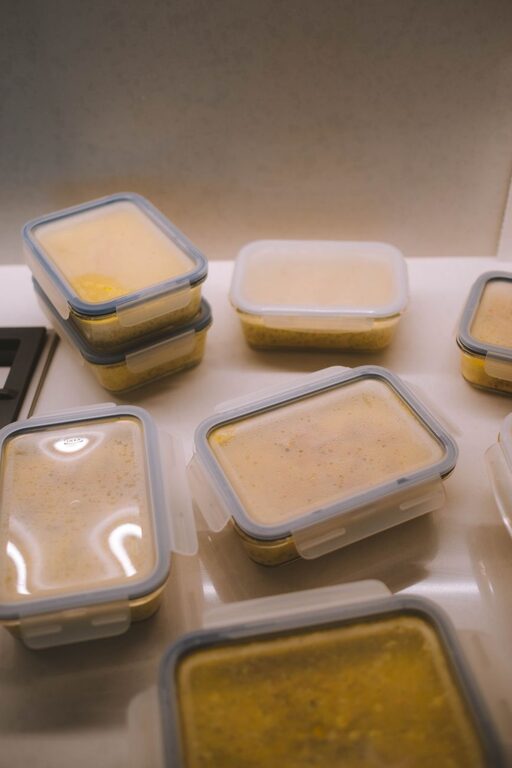
– Consider batch cooking grains or beans ahead.
– Mix and match ingredients to avoid repetition.
– Include a variety of meals: soups, salads, casseroles, and skillet dishes.
Step 5: Shop Smart to Complement Your Pantry
When you shop, focus on fresh or frozen ingredients that pair well with your staples:
– Fresh veggies like onions, bell peppers, spinach, carrots
– Frozen vegetables for convenience and long shelf life
– Proteins such as eggs, chicken, or tofu
– Fresh herbs or citrus for brightness
This approach means you don’t have to buy everything every time but can still enjoy fresh, balanced meals.
Bonus Tips for Success
– Organize your pantry for easy access and visibility.
– Label containers and keep an updated inventory list.
– Rotate stock so older items get used first.
– Experiment with recipes to find your favorites.
– Keep a list of recipes that use pantry staples for quick reference.
Sample Pantry Meal Ideas
- **One-Pot Chili:** Canned beans, canned tomatoes, broth, spices, and rice.
- **Pasta Aglio e Olio:** Pasta with olive oil, garlic powder, chili flakes, and parsley.
- **Chickpea Curry:** Canned chickpeas, coconut milk, curry powder, and frozen spinach.
- **Rice and Beans Bowl:** Cooked rice, black beans, corn, salsa, and avocado.
- **Tomato Soup with Grilled Cheese:** Homemade soup from canned tomatoes and broth served with toasted bread.
—
By making the most of your pantry staples, you can create delicious, budget-friendly meals with less hassle. Start with your current ingredients, plan meals thoughtfully, and slowly build a pantry that supports your lifestyle. With a little practice, you’ll find it easier than ever to cook creatively and confidently from what you have on hand. Happy cooking!